March 20, 2026
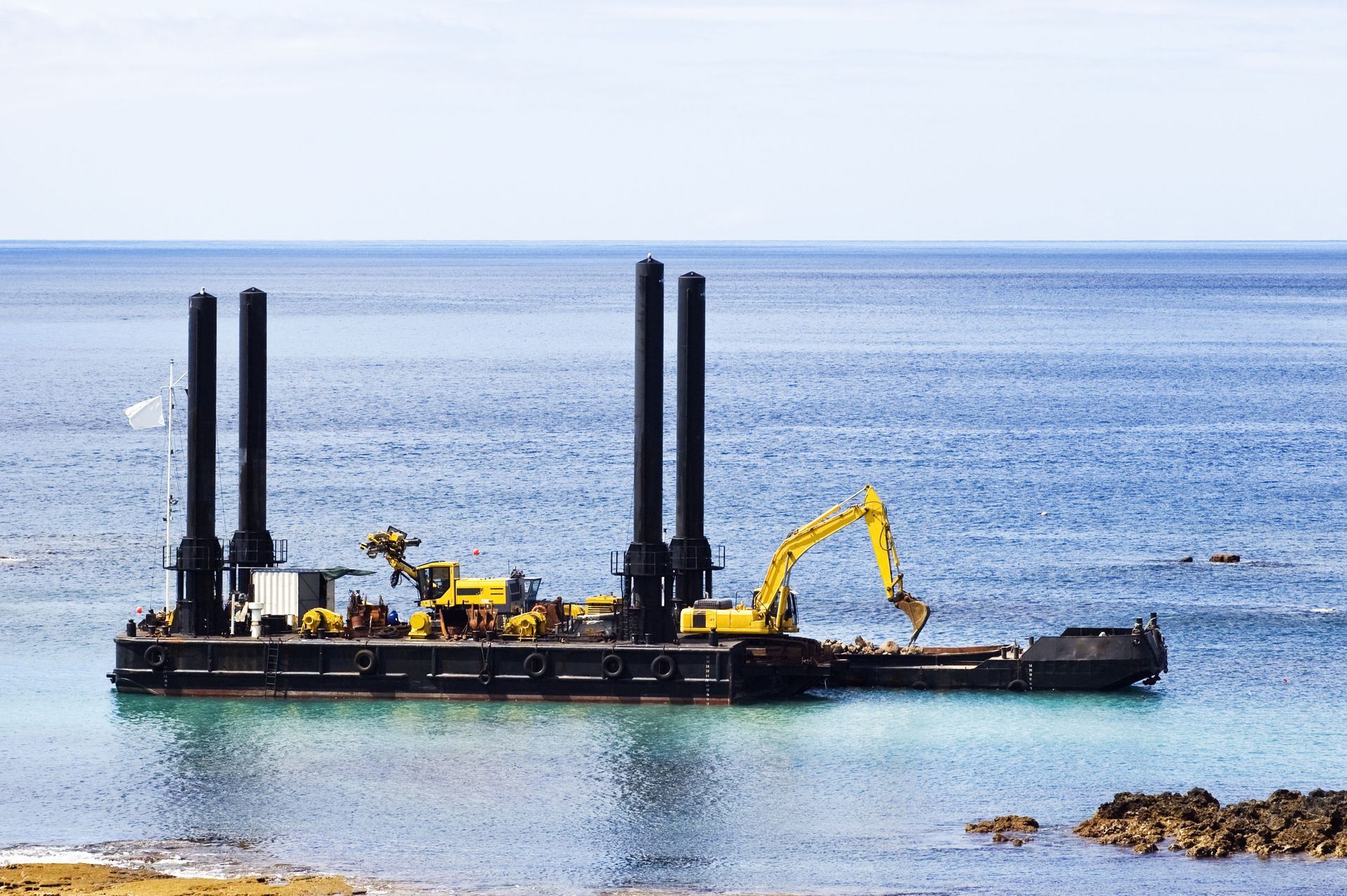
In the maritime industry, hydraulic systems are critical to maintaining efficient and reliable vessel operations, particularly in demanding offshore environments. On a hydraulic barge, these systems support essential functions such as steering, load handling, and the operation of cranes and deck equipment. Because marine vessels are constantly exposed to harsh conditions like saltwater, heavy loads, and continuous motion, hydraulic reliability is vital to operational safety and uptime. Tailored hydraulic solutions help a hydraulic barge achieve greater efficiency, durability, and performance while minimizing the risk of costly downtime.
Understanding Hydraulic Systems in the Maritime Context
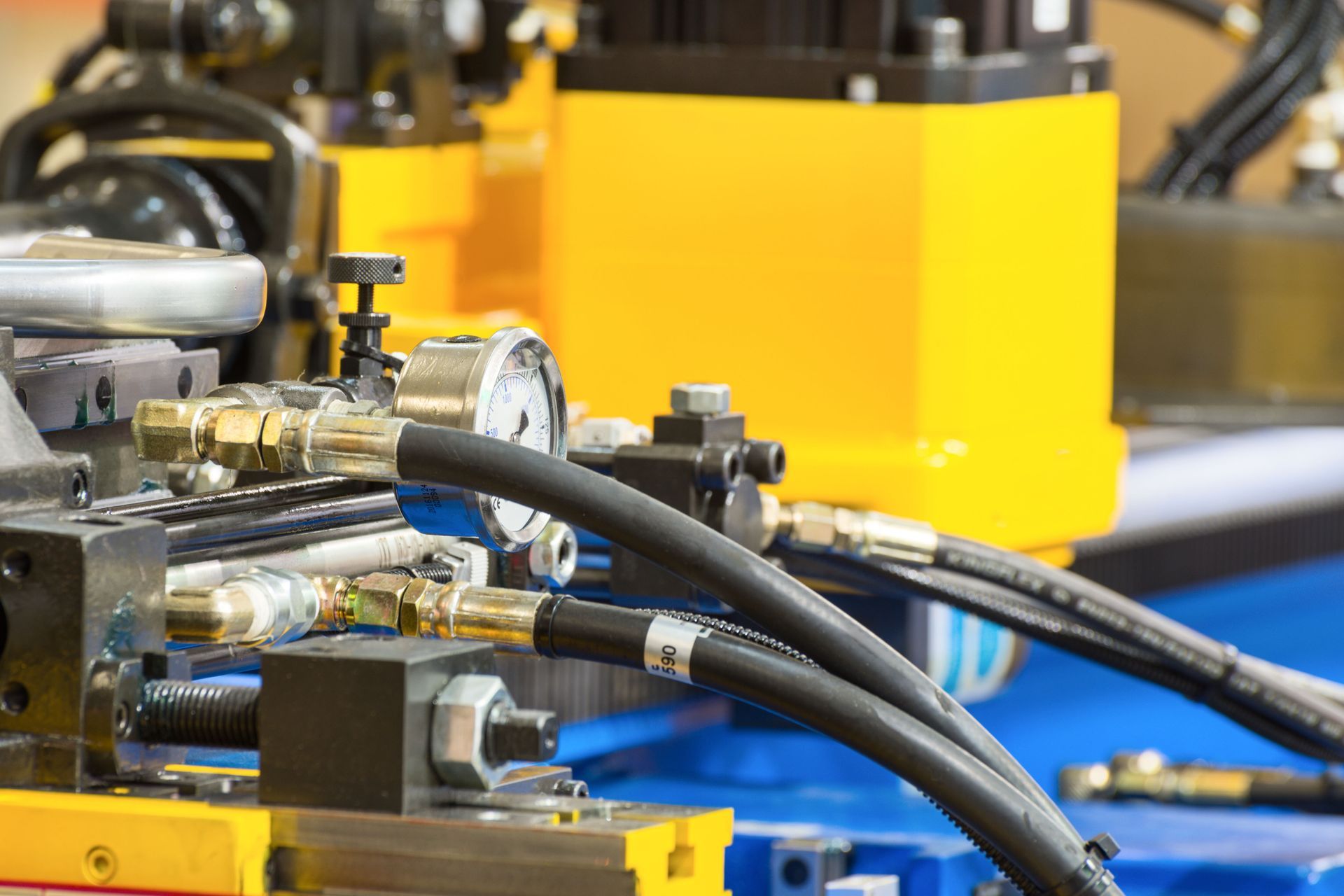
Hydraulic systems convert mechanical energy into fluid power through fluid movement. These systems are highly effective due to the incompressibility of liquids, providing consistent force and motion where needed. The basics involve a pump to move the fluid, actuators to apply the force, and valves to control flow. Reservoirs store the hydraulic fluid, ensuring the system remains functional over time.
Marine hydraulic systems are built with specialized components engineered to endure harsh, saline environments encountered at sea. On a hydraulic barge, stainless steel actuators and corrosion-resistant piping form the core of the system, providing strength and long-term durability. Advanced filtration systems help prevent contamination from moisture and debris, preserving efficiency and extending component life. By using specialized hydraulic fluids that maintain stable viscosity across temperature changes, a hydraulic barge can deliver consistent, reliable performance in demanding maritime conditions.
Hydraulic systems offer numerous advantages over traditional mechanical systems, particularly in a maritime context. They provide higher power densities, meaning they can deliver significant force in a compact, lightweight system. This is crucial on ships where space is at a premium. Additionally, hydraulic systems are remarkably flexible and can be easily adapted for different tasks or altered design configurations.
Tailoring Solutions for Custom Hydraulic Systems
The maritime industry is diverse, encompassing vessels from luxury yachts to mammoth cargo ships, each with its unique hydraulic requirements. Tailoring systems to meet these varied needs is crucial as one-size-fits-all solutions rarely suffice. For instance, fishing vessels require hydraulics for nets and lines, whereas a cruise ship might need them for stabilizing and passenger amenities. Tailored hydraulic solutions address specific vessel needs, enhancing efficiency and operation.
The demanding maritime environment makes custom hydraulic solutions essential for reliable offshore operations. On a hydraulic barge, factors such as high salinity, constant moisture, and temperature fluctuations can significantly affect system performance. Tailored hydraulic designs incorporate advanced sealing technologies and corrosion-resistant materials to withstand these conditions. By integrating predictive features like real-time monitoring, a hydraulic barge can adapt to environmental changes and maintain consistent, efficient operation.
While customization of hydraulic systems can entail higher upfront costs, the economic benefits over time are considerable. Tailored systems typically offer superior energy efficiency, leading to reduced operational costs. They also tend to have longer lifespans and require less maintenance, which translates into financial savings. The initial investment is thus offset by prolonged gains in efficiency and reliability.
Designing Reliable Hydraulic Systems for Marine Applications
Designing dependable hydraulic systems for marine applications requires a structured, engineering-driven approach that prioritizes both resilience and efficiency. For a hydraulic barge, engineers rely on computer-aided design and simulation tools to evaluate system performance under varying loads and environmental conditions. This process enables precise optimization of component placement, fluid flow paths, and overall system layout. By closely analyzing potential failure points such as seals, fittings, and connections, a hydraulic barge can be equipped with a cohesive, robust hydraulic system built to withstand demanding maritime challenges.
Effective integration of hydraulic systems with other onboard systems is essential for cohesive maritime operations. This coordination involves ensuring compatibility between hydraulics and the vessel's IT infrastructure, such as navigation and communication systems. Seamless integration leads to enhanced efficiency and reliability of maritime operations. Achieving this requires a cross-disciplinary approach involving engineers, IT specialists, and marine architects.
Several techniques are employed to ensure the robustness of hydraulic systems in marine applications. Material selection is a critical factor, with a preference for construction materials that withstand corrosion and wear. Redundancy is another technique wherein critical components have backups to maintain system reliability in case of failure. Regular testing and stress simulations check system response under load, identifying potential faults before they develop into failures. This proactive approach helps engineers design hydraulic systems that are dependable and long-lasting.
Enhancing Hydraulic Systems Through Technological Innovations
Advanced materials have revolutionized hydraulic systems, particularly in maritime applications. Modern composite materials offer superior strength-to-weight ratios, enhancing system efficiency by reducing weight without sacrificing durability. Non-corrosive materials, such as specific alloys and coatings, provide exemplary resistance to the harsh marine environment. These innovations not only improve system performance but also extend lifespans, reducing the need for frequent replacements. Engineers are continuously researching new material technologies to push hydraulic systems' boundaries further.
Smart technology is becoming a core component of modern maritime hydraulic systems, delivering greater control and operational efficiency. On a hydraulic barge, integrated sensors and intelligent software continuously monitor real-time conditions and automatically adjust system performance. This adaptive capability optimizes output while reducing energy consumption, component wear, and unplanned downtime. By leveraging instant diagnostics and predictive analytics, a hydraulic barge can identify maintenance needs early and prevent minor issues from developing into costly failures.
The Internet of Things (IoT) has introduced a new dimension to hydraulic systems by enabling real-time data monitoring. IoT systems provide live insights into operational efficiency and system health. Real-time monitoring allows crews to promptly respond to any anomalies, preventing breakdowns and losses. Data analysis from connected devices helps in refining hydraulic operations, increasing efficiency while reducing maintenance costs. As IoT technology evolves, the capabilities for enhancing hydraulic system reliability through data-driven insights are expanding, offering vast potential for maritime innovation.
Observing Future Trends and the Road Ahead
The landscape of marine hydraulic systems is evolving with the introduction of emerging technologies. Innovations such as the advent of digital hydraulics promise to revolutionize system efficiency and control. The incorporation of nanotechnology in materials will enhance strength, flexibility, and corrosion resistance. Energy-efficient hydraulic systems align with contemporary priorities to minimize environmental impact.
Leading companies in the marine sector are investing substantially in research and development to innovate hydraulic technologies. The focus is on developing systems that are not only more efficient but also sustainable and reliable under varying maritime conditions. Collaborative efforts with research institutions and industry partnerships are fostering rapid advancements. According to the U.S. Bureau of Labor Statistics, employment for marine engineers and naval architects is projected to grow 6% from 2024 to 2034. Significant R&D investments are propelling the marine hydraulic sector towards new possibilities and higher performance benchmarks.
One significant trend set to shape the future of marine hydraulic systems is the shift towards modular designs. Modular systems offer the advantage of scalability, allowing upgrades or component replacements without extensive downtime. These systems enhance flexibility in design and maintenance, facilitating easier integration across various vessel types and operations. Modular concepts align with industry goals of efficiency and adaptability, steering hydraulic system development along the lines of modern, resource-efficient strategies.
Tailored hydraulic systems play a critical role in improving the reliability and efficiency of maritime operations, particularly in demanding offshore environments. On a
hydraulic barge, customized hydraulic solutions are designed to overcome marine-specific challenges, resulting in enhanced functionality and increased operational uptime. As technology continues to evolve, ongoing innovations are redefining what a hydraulic barge can achieve in terms of performance, control, and durability. If you need custom hydraulic solutions for your marine systems, contact Hydraulic Marine Systems Inc.